Oh Holy Nignt: A Designer's Review for Holiday Craft Fairs
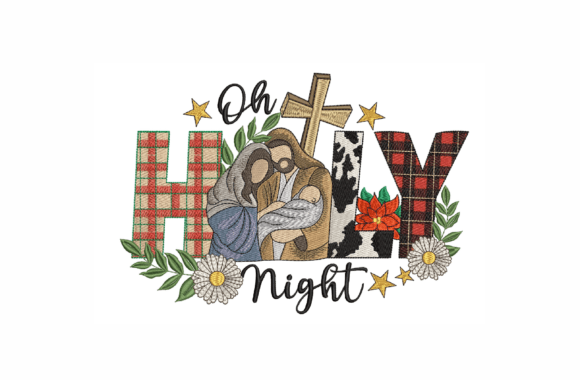
As I spread out my samples on the folding table in preparation for this weekend's craft fair, my eyes immediately land on the Oh Holy Nignt machine embroidery design. In a sea of red and green, there is something uniquely compelling about a design that centers on the Manger, Bethlehem, and the North Star. As an experienced embroidery designer, I am not just looking at pretty pictures; I am evaluating viability. Will this sell? Is it practical to produce in batches? Does it photograph well for my Etsy listings? This review breaks down exactly how this specific Christmas themed embroidery file performs in a real-world retail environment.
First Impressions and Visual Mood
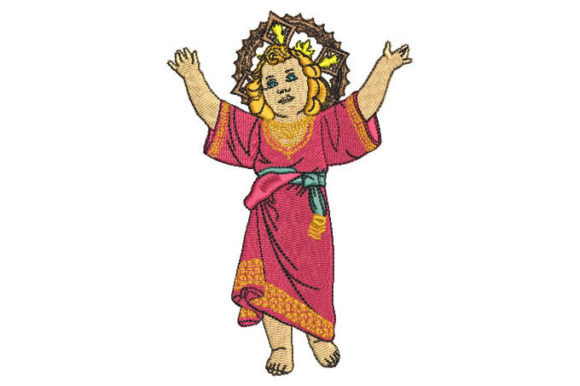
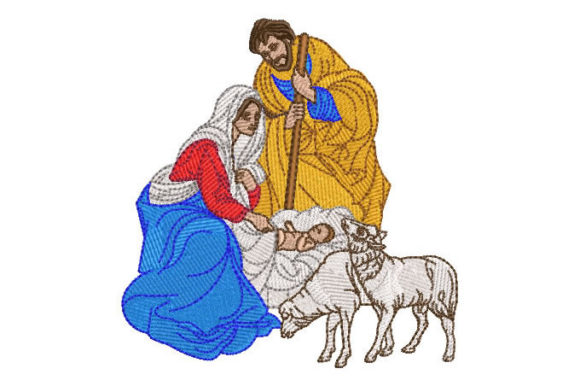
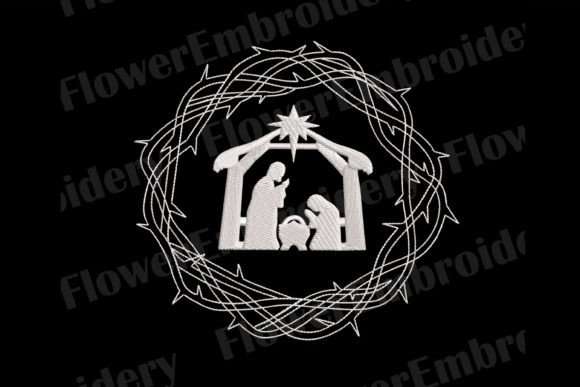
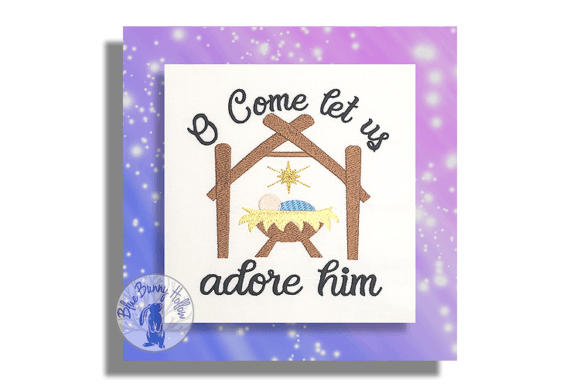
The first thing you notice about Oh Holy Nignt is its emotional weight. Unlike some of the cheeky or overly cartoonish holiday designs flooding the market, this piece feels reverent and classic. Based on the description featuring Baby Jesus and the North Star, the aesthetic leans heavily toward traditional, farmhouse, and premium. It is not "cute" in a childish way; it is "beautiful" in a timeless way. This distinction is crucial for booth placement. This design belongs on higher-end handmade products rather than novelty gag gifts. The visual appeal suggests a customer who values sentimentality and tradition, likely looking for a gift for a grandmother, a religious family member, or a centerpiece for their own holiday decor.
Product Suitability and Booth Display Strategy
When planning your craft fair product lineup, placement is everything. I have tested Oh Holy Nignt across several substrates to determine where it shines brightest.
- Tote Bags and Market Bags: This is arguably the strongest contender. A natural canvas tote with this design centered creates an instant tote bag design that screams "holiday grocery run" or "church gift carrier." The contrast of dark thread on natural fabric makes the North Star and manger scene pop from ten feet away.
- Aprons and Tea Towels: For the kitchen enthusiast, apron embroidery and tea towel embroidery using this motif are winners. However, caution is needed here. If the towel has a heavy waffle weave or looped texture, fine details in the manger scene might get lost. I recommend using a flat-weave linen or high-thread-count cotton for the crispest result.
- Patches and Pouches: Creating an embroidered patch allows customers to buy a small small shop product without committing to a large item. Sewing these onto denim jackets or holiday stockings adds significant perceived value.
- Caps: While popular, curved surfaces are tricky. If the design includes small lettering or intricate star points, the curvature of a cap brim can distort the image. Use this only if the design scales down cleanly without losing definition.
For your booth display, group these items together to create a "Nativity Collection." Consistency builds brand strength. When a customer sees the same beautiful motif on a pillow, a towel, and a bag, they perceive your brand as cohesive and professional.
Production Realities and Stitch Quality
From a production standpoint, efficiency is key during the holiday rush. The description notes that this digital embroidery file comes with multiple formats, which is excellent for compatibility. However, before running a batch of fifty, you must assess the stitch density. Religious scenes often require detailed faces and flowing robes. If the density is too high, the fabric may pucker, especially on lighter materials like tea towels. Conversely, if it is too low, the design may look sparse and cheap under bright booth lighting.
I strongly advise checking the thread colors required. A design featuring a night sky and a glowing star will likely rely on high-contrast metallics or specific shades of gold and navy. Ensure you have enough spools of these specific colors to complete your run without constant thread changes slowing you down. Furthermore, verify the hoop size requirements. If the design is large, ensure your machine frame can accommodate it without needing to re-hoop, which introduces alignment errors.
Technical Challenges to Watch
Every designer knows that what looks good on the screen doesn't always translate to fabric. Here are the specific pitfalls to avoid with Oh Holy Nignt:
- Fabric Texture: Avoid using this on thick, textured fleece or heavy terrycloth unless you use a heavy-duty topping stabilizer. The tiny details of the Baby Jesus or the star rays can sink into the pile and become invisible.
- Dark Fabric: If stitching on black or navy backgrounds, ensure the design includes underlay stitches that prevent the background fabric from showing through the lighter thread colors.
- Small Lettering: If the title "Oh Holy Night" is included in the stitch-out, check the font size. Anything under 0.25 inches can become illegible, turning your premium design into a blurry mess.
- Clarity at Scale: Always test the design at the smallest size you intend to sell. A design that looks majestic on a pillow cover might turn into a blob on a small pouch.
Marketing and Online Presence
Beyond the physical booth, this design is a powerhouse for online sales. As an Etsy seller, your main challenge is conveying texture through a screen. Oh Holy Nignt photographs exceptionally well because of its inherent contrast—the bright star against the darker elements creates a focal point that draws the eye in thumbnail images. Create a printable mockup that shows the design on various home goods to help digital buyers visualize the finished product in their own homes.
When listing this as a commercial embroidery asset or a finished good, emphasize the emotional connection. Use keywords that reflect the mood: "reverent," "classic," "heirloom quality." Buyers searching for meaningful holiday decor are often willing to pay a premium for designs that feel special rather than generic.
Final Designer Notes and Checklist
Before you commit to selling Oh Holy Nignt at your next event, run through this final checklist to ensure quality control:
- Test on Scrap: Always stitch a sample on the exact fabric you plan to sell. Do not guess how the stabilizer will interact with the material.
- Check Spacing: Ensure there is adequate margin between the design edge and the hoop edge to prevent framing issues.
- Verify Licensing: The product description mentions multiple files but does not explicitly state the license terms. Before selling finished goods or the design assets themselves, confirm you have the right to use this for commercial embroidery.
- Create a Real Mockup: Digital proofs are great, but nothing beats holding the actual item. Make one perfect sample to keep on your display table; let customers touch the quality.
- Compare Colors: View your stitched sample under different lighting conditions (daylight vs. booth LED) to ensure the colors remain vibrant and true.
In conclusion, Oh Holy Nignt is a standout choice for the holiday season. It bridges the gap between festive cheer and spiritual significance, making it a versatile addition to any handmade inventory. With careful attention to fabric choice, stabilizer selection, and presentation, this design has the potential to be a best-seller that resonates deeply with your customers.