Jesus Baby Christmas: A Designer's Craft Fair Review
As I stand in my studio surrounded by stacks of blank tote bags, aprons, and tea towels, I am mentally preparing for the upcoming weekend craft fair. The holiday season is the busiest time for us handmade sellers, and choosing the right machine embroidery design can make or break a booth's success. Today, I am reviewing the Jesus Baby Christmas design to see if it earns a spot on my production list. This isn't just about aesthetics; it is about practicality, visual impact, and what actually converts browser attention into sales.
First Impressions and Market Mood
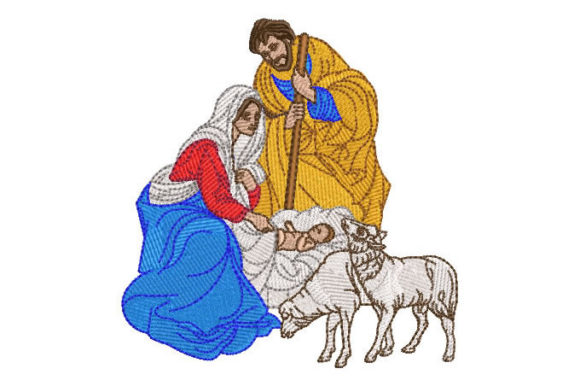
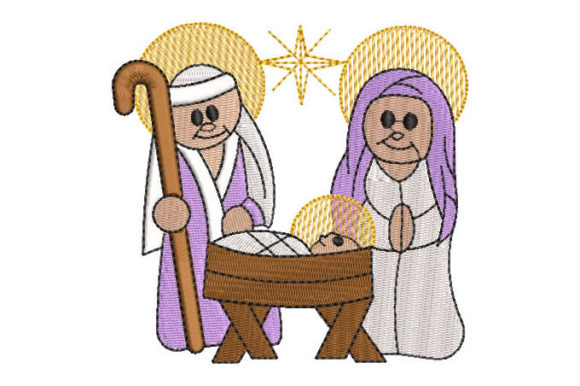
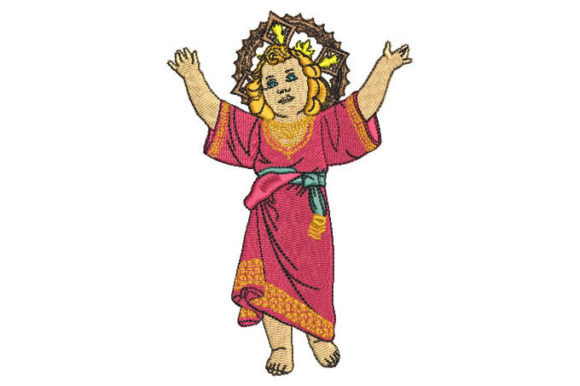
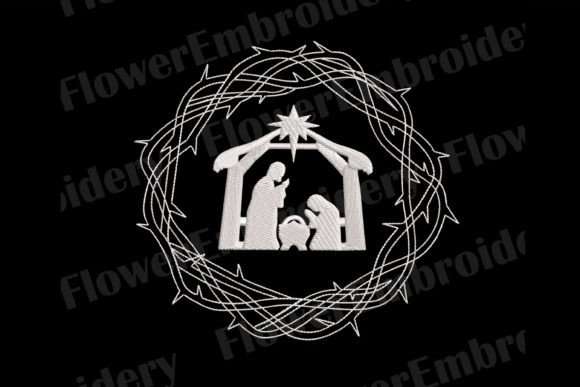
The title alone sets a specific tone. Jesus Baby Christmas immediately signals a traditional, faith-based motif. In a market often flooded with generic snowmen and reindeer, a nativity scene offers something deeper. Based on the description calling it the "ultimate Christmas motif," I expect this design to lean towards elegant, rustic, or perhaps a soft farmhouse style rather than something cartoonish or overly modern. For a craft fair booth, this distinction is vital. It appeals to a specific demographic looking for meaningful decor and gifts that reflect their values.
When I visualize this on a display table, the design feels premium. It suggests a handmade product with soul, distinguishing my small shop from mass-produced big-box store items. The emotional connection customers feel toward the nativity story can drive impulse buys, especially when the execution is clean and professional.
Evaluating Product Applications
To determine where this design shines, I have to imagine it on various substrates. Here is how I see Jesus Baby Christmas performing across different popular craft fair items:
- Tote Bags and Market Bags: A large version of this design centered on a canvas tote makes an excellent statement piece. It transforms a simple bag into a holiday carrier for church gifts or family gatherings. The key here is ensuring the thread colors pop against natural or dark fabric.
- Apron Embroidery: This is a top seller for hostess gifts. Placing the design on the bib of a linen apron creates a charming, functional item. It feels personal and festive without being tacky.
- Tea Towel Embroidery: Kitchen textiles are huge during the holidays. However, towel loops can be tricky. If the design has fine details, they might get lost in the waffle weave texture. I would need to test this carefully to ensure clarity.
- Embroidered Patches: Creating iron-on patches allows customers to add this motif to jackets or pillows they already own. This expands the reach of the design beyond just the items I have in stock.
- Pillow Covers: A focal point design on a velvet or linen pillow cover screams "holiday decor." This is likely where the design will look most luxurious.
- Caps: While popular, curved surfaces are difficult. Unless the design is simplified, it might not translate well to a structured cap without distortion.
Production Practicality and Batch Selling
For an Etsy seller or craft fair vendor, time is money. Can I produce this efficiently? The description mentions it is beautiful and meaningful, but I need to consider the technical side before committing to a batch run. A design that looks great on a screen can be a nightmare in the hoop if the stitch density is too high or if there are too many color changes.
If Jesus Baby Christmas features complex shading or tiny text, it may slow down production significantly. For a busy fair prep, I prefer designs that stitch out cleanly with minimal trim and jump times. If the design works as a small accent, I can run multiple hoops at once. If it requires a large hoop size as a focal point, I need to plan my machine time accordingly. The ability to repeat the design quickly on dozens of items is crucial for stocking a booth.
Visual Appeal and Customer Engagement
In a crowded aisle, your booth samples must stop people in their tracks. Jesus Baby Christmas has the potential to be a conversation starter. Unlike abstract patterns, a nativity scene tells a story instantly. When a customer sees it, they understand the theme immediately. This clarity helps with quick decision-making.
Photography is another major factor. For online listings, this design needs to photograph well. High-contrast thread choices will help the image stand out in a printable mockup or a real photo. If the design relies on subtle tonal shifts, it might look muddy in photos, reducing click-through rates for digital or physical sales. I would recommend testing the design on both light and dark fabrics to see which provides the best contrast for marketing materials.
Critical Considerations for Execution
Before loading this digital embroidery file onto my machine, there are several "careful-use" notes I must address to ensure a professional finished product:
- Fabric Texture: As mentioned, textured towels can swallow small details. I must verify that the design elements are large enough to remain distinct on looped fabrics.
- Dense Stitch Areas: If the design includes solid fill areas representing robes or night skies, I need to check for puckering. Using the correct stabilizer is non-negotiable here, especially on stretchy fabrics like jersey knits for t-shirts.
- Small Lettering: If the design includes script text like "Joy" or "Noel," I need to ensure it is legible at the intended size. Tiny lettering often becomes unreadable blobs if stitched too small.
- Curved Surfaces: If I attempt this on caps or curved pouches, I must account for push-pull distortion. Simplifying the design or using a specialized cap frame might be necessary.
- Dark Fabric: Light thread on dark fabric looks stunning but requires excellent underlay to prevent the background from showing through. I should run a test stitch-out on black fabric to check coverage.
Designer Notes for Success
To maximize the potential of Jesus Baby Christmas, I advise fellow makers to follow a strict testing protocol. First, always test the design on scrap fabric that matches your final product material. Do not skip this step. Check the thread contrast under different lighting conditions, as craft fairs often have varying light quality compared to your studio.
Review the spacing between elements. If figures are too close, they may merge during stitching. Confirm your hoop size capacity; you do not want to start a job only to realize the design exceeds your frame. Inspect the stitch density settings in your software—if it looks too heavy, consider reducing the density slightly to save thread and reduce bulk.
Create at least one real mockup to show customers. Holding a physical sample builds trust and allows buyers to feel the quality of the stitches. Compare how the design looks on cream versus white versus navy fabric to offer variety. Finally, and most importantly, confirm the commercial licensing terms included with the embroidery file. Ensure you are cleared to sell finished products made with this design at your fair and online.
In conclusion, Jesus Baby Christmas appears to be a strong contender for the holiday season. Its traditional appeal fits perfectly with the current trend toward meaningful, home-centered decor. By paying attention to fabric choice, stabilization, and production efficiency, this design can become a staple in your craft fair product lineup, bringing both aesthetic beauty and commercial success to your small business.