Mary Joseph and Baby Jesus: A Designer's Review
As a designer who spends more time staring at stitch maps than most people spend looking at their phones, I approach every new machine embroidery design with a mix of excitement and skepticism. We've all been there: you buy a beautiful digital file, load it up, and realize too late that the density is off or the details are too fine for the intended fabric. That is why I took a close look at the Mary Joseph and Baby Jesus design before committing it to a client project. This isn't just about whether it looks cute on a screen; it is about how it performs under the needle and how it elevates a handmade product in a crowded market.
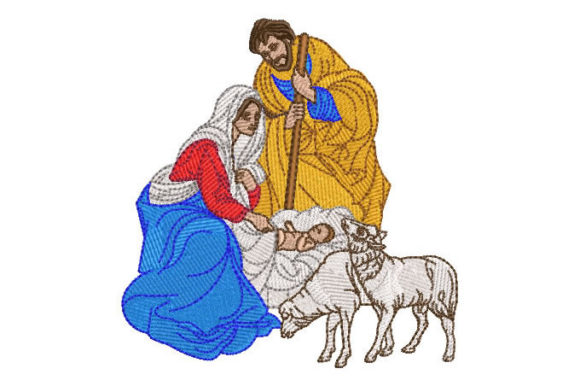
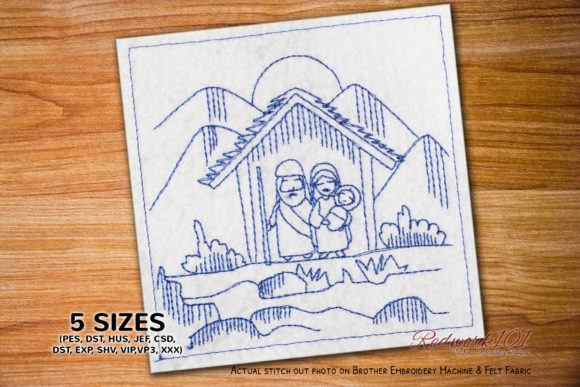
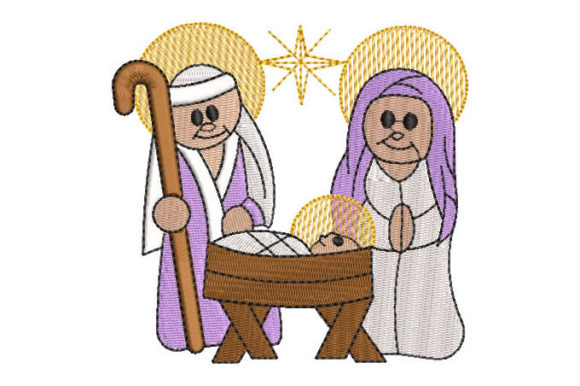
The first impression of this design is one of quiet reverence. In a season often dominated by loud reds, flashy Santas, and chaotic patterns, this depiction of the Holy Family offers a grounding, traditional mood. The layout feels balanced, likely utilizing a combination of fill stitch for the robes and perhaps finer running stitch or satin work for the facial features and halos. For a Christmas collection, having a piece that speaks to the spiritual roots of the holiday is invaluable. It adds a layer of depth to your design assets that generic snowmen simply cannot match.
Real-World Application: The Holiday Boutique Scenario
To truly test the viability of Mary Joseph and Baby Jesus, I imagined a specific real-life scenario: a small boutique owner preparing a limited run of holiday gifts. Let's say you are an Etsy seller or a local craft fair vendor looking to expand beyond standard monograms. You decide to create a line of premium linen tea towels and heavy cotton tote bags. This is where the design shines. The subject matter naturally fits home decor and sentimental gifting.
When stitched onto a natural-colored linen tote bag design, the contrast of the thread against the textured fabric creates a rustic, high-end aesthetic. Customers today are looking for meaning in their purchases. A personalized gift featuring this nativity scene tells a story. It transforms a simple bag into a keepsake. Similarly, for sweatshirt embroidery, placing this design on the lower left chest or centered on a cream-colored hoodie creates a modest yet festive look that appeals to a wide demographic, from young parents to grandparents.
The visual personality of the design suggests it would also work beautifully as an embroidered patch. If you are selling small shop products, creating iron-on or sew-on patches allows customers to customize their own jackets or jeans. This flexibility increases the perceived value of your finished product without requiring you to hold inventory of various garment sizes.
Technical Considerations and Fabric Choices
However, beauty means nothing if the stitch-out fails. When evaluating Mary Joseph and Baby Jesus for actual production, several technical factors come into play. The description notes it is a "high-quality embroidery design," but as a professional, I know we must verify this on the machine.
Stitch density is the first thing I check. Religious iconography often requires delicate lines to convey emotion. If the density is too high, the fabric will pucker, especially on lighter materials like baby onesies or thin cotton shirts. If you plan to use this for baby embroidery, you must test it on scrap fabric first. A heavy fill might make the garment stiff and uncomfortable against sensitive skin. Conversely, if the density is too low, the fabric might show through, ruining the solid look of Mary's robe or Joseph's tunic.
Fabric texture is another critical variable. This design likely performs best on stable, woven fabrics like canvas, denim, linen, or twill. These materials provide the necessary support for the stitches to lay flat. Using it on stretchy knits without the proper stabilizer is a recipe for distortion. For custom apparel made from jersey or fleece, I would strongly recommend using a cut-away stabilizer rather than tear-away to ensure the design holds its shape after multiple washes.
Curved surfaces present their own challenges. If you intend to put this on a cap, be wary of the hoop size and the curvature of the brim. Detailed corners and small elements can get lost or misaligned on a structured hat unless the digitizing specifically accounts for push-and-pull factors. Always review the design in your embroidery software to simulate how it will look on a curved surface before stitching.
Enhancing Brand Value and Customer Trust
From a business perspective, the choice of imagery directly impacts brand perception. Using Mary Joseph and Baby Jesus signals that your craft business values tradition and quality. It moves your offerings away from fast-fashion trends and toward timeless heirlooms. This builds customer trust. When a buyer sees a well-executed nativity scene on a pillow cover or blanket, they associate that care with your entire brand.
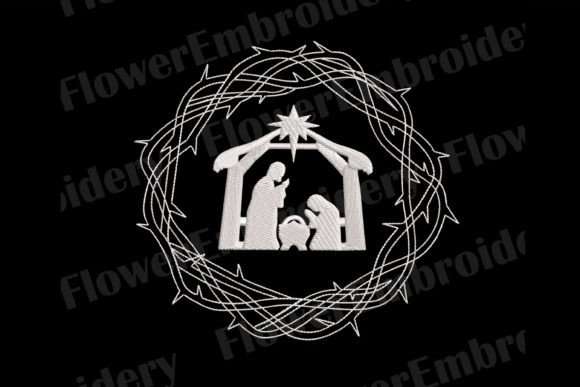
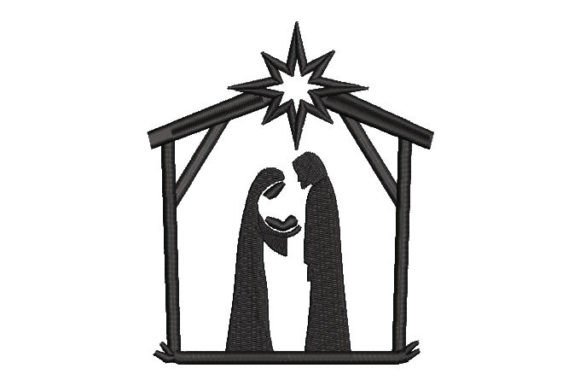
Visual appeal is heightened when you pay attention to thread colors. While the design file comes with a suggested color map, do not be afraid to adjust it. Testing the design in black and white mockups can help you understand the contrast levels. On dark fabrics, you might need to adjust the underlay or choose brighter thread shades to ensure the details of the faces and the baby stand out. On light fabrics, ensure the outlines are crisp. The right color choices can turn a good stitch-out into a stunning piece of art.
Furthermore, this design is versatile enough for various holiday embroidery projects beyond just December 25th. It fits perfectly into a broader "Winter" or "Faith" collection, extending its shelf life in your shop. Whether it is for a wedding gift, a baptism celebration, or a Christmas present, the emotional resonance remains strong.
Practical Notes for the Professional Embroiderer
Before you list this as a printable mockup or start stitching for orders, here is a checklist based on my experience:
- Test on Scraps: Never run a new embroidery file on final stock without a test run. Check for registration issues and thread breaks.
- Check Licensing: The product description mentions it is for festive fabric, but always confirm the license terms. Can you sell the finished physical items? Can you resell the digital file? Clarify this to avoid legal issues in your commercial embroidery ventures.
- Verify Hoop Size: Ensure the design fits your available hoops. If it requires a large hoop, factor that into your pricing and production time.
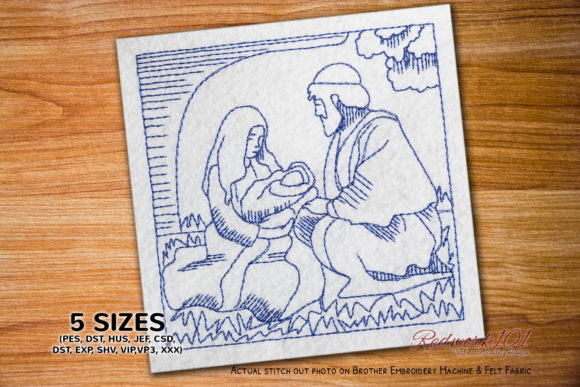
- Inspect Small Details: Zoom in on the digital preview. Are the eyes too small to stitch clearly? Is the text (if any) legible at the intended size?
- Stabilizer Selection: Match your stabilizer to the fabric weight. Heavy designs need strong support.
- File Formats: Confirm the download includes the format compatible with your specific machine brand to avoid conversion errors that might alter stitch paths.
In conclusion, Mary Joseph and Baby Jesus appears to be a thoughtful addition to any serious embroiderer's library. It bridges the gap between artistic expression and commercial viability. By understanding its technical requirements and pairing it with the right materials, you can create finished products that not only sell but also bring joy to those who receive them. It is a reminder that in our digital age, the tangible warmth of a stitched image still holds immense power.