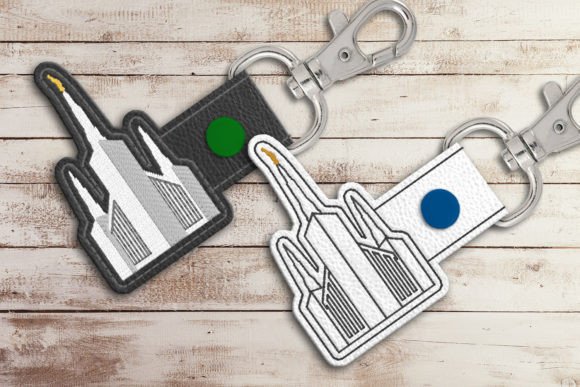
Review: LDS Portland Oregon Temple ITH Key Fob for Craft Fairs
As an embroidery designer preparing for a busy weekend at the local craft fair, my table strategy is everything. I am not just stitching; I am curating a collection that speaks to faith, locality, and handmade quality. Among the stack of digital embroidery files on my desk, the LDS Portland Oregon Temple ITH Key Fob stands out as a potential high-performer for my booth. This isn't just a design; it is a specific nod to the Religion Faith community in the Pacific Northwest, and evaluating its potential requires a keen eye for what sells in a handmade product market.
First Impressions and Aesthetic Appeal
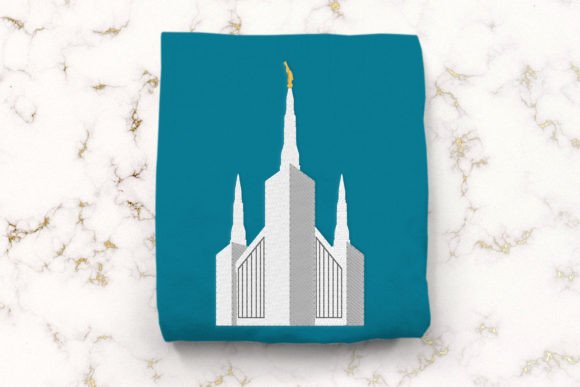
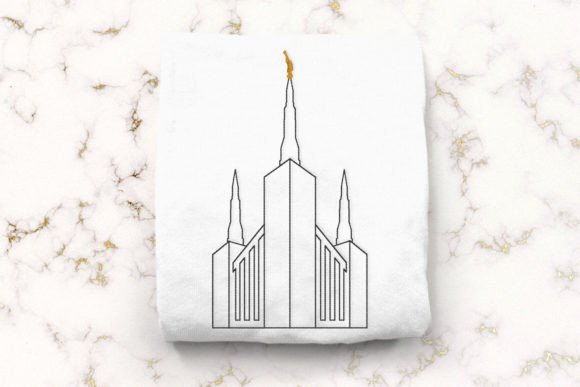
When I first loaded the preview of the LDS Portland Oregon Temple ITH Key Fob, the immediate impression was one of elegance and reverence. Unlike some novelty designs that rely on humor or bold, cartoonish graphics, this piece feels premium and respectful. The silhouette of the Portland Oregon Temple is iconic, and capturing it in an machine embroidery design format requires a balance of detail and simplicity. For a craft fair setting, where customers scan tables quickly, this design offers a clean, recognizable shape that communicates its message instantly. It feels modern yet traditional, fitting perfectly into a boutique maker's lineup alongside other spiritual or regional items.
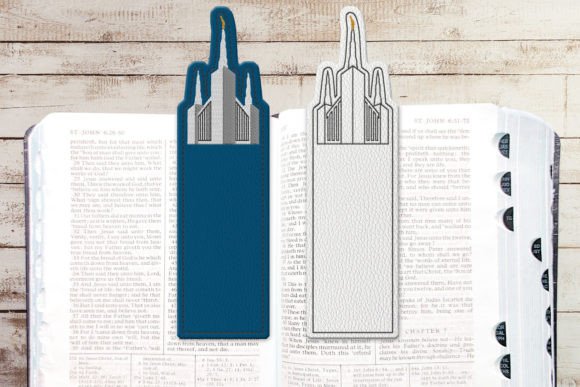
The "In The Hoop" (ITH) nature of the file suggests a finished, professional look right out of the machine. Since the description notes that you stitch this onto felt, the texture contrast between the smooth threads and the soft felt backing adds a tactile element that buyers love to touch. In a sea of mass-produced keychains, this small shop product exudes a warmth that only Embroidery can provide.
Strategic Product Placement for Maximum Sales
While the file is designated as a key fob, my experience tells me that versatile design assets often shine brightest when adapted for various craft fair products. Here is how I envision deploying this design across my booth inventory:
- Key Fobs and Bag Charms: This is the primary use case. These are perfect impulse buys. Placed near the register, they serve as affordable gifts for missionaries, temple patrons, or locals proud of their city.
- Embroidered Patches: By omitting the final assembly steps of the ITH process and finishing the edges with a satin stitch or merrow border, this design becomes a fantastic iron-on or sew-on patch. It appeals to those who want to customize their own jackets or backpacks.
- Tote Bag Design: Scaling the motif slightly larger (if the license permits) or using it as a focal point on a smaller canvas tote creates a meaningful tote bag design. It transforms a generic bag into a statement piece for church activities or grocery runs.
- Apron Embroidery: For the home-sewer or baker in the family, placing this temple motif on the bib of an apron adds a personal, spiritual touch to kitchen wear. It works exceptionally well as apron embroidery due to the flat surface area.
- Tea Towel Embroidery: A linen tea towel featuring this design makes a thoughtful housewarming gift. The tea towel embroidery market is strong, and religious motifs often resonate deeply with buyers looking for wholesome home decor.
I also considered using it on caps, but the curved surface and small size of a key fob design might make the details hard to distinguish unless the digitizing is exceptionally robust. For pillow covers, it could work as a central medallion, provided the scale is adjusted to fit the hoop constraints.
Production Realities and Technical Considerations
Before committing to batch production for the fair, practical testing is non-negotiable. The LDS Portland Oregon Temple ITH Key Fob likely contains architectural details like spires and windows. In Embroidery, tiny details can easily get lost if the stitch density is too high or if the fabric texture interferes.
Here are my critical production notes for this specific file:
- Fabric Selection: Since the design is intended for felt, I must ensure I am using high-quality wool blend or acrylic felt that doesn't fray. If I adapt it for towels or bags, I need to check how the design performs on textured fabrics. Thick terry cloth or waffle weave might swallow up fine lines.
- Thread Contrast: Temples are often white or light-colored. Using white thread on white fabric is a classic look but risky for visibility in a booth. I plan to test light gray or silver threads to create subtle definition against a cream background, ensuring the design pops in photos and in person.
- Stabilizer Choice: For ITH projects, the structural integrity is key. A cut-away stabilizer is usually best for items that will undergo stress, like key fobs. For towels, a water-soluble topper might be necessary to prevent sinking stitches.
- Hoop Size Verification: I need to confirm the required hoop size before cutting my felt. Running out of space mid-stitch is a disaster at a craft fair. Always check the file specifications before starting a production run.
Visual Appeal and Customer Engagement
In a crowded marketplace, visual appeal drives foot traffic. The LDS Portland Oregon Temple ITH Key Fob contributes to brand consistency by signaling that my shop respects and caters to specific cultural and religious niches. It tells the customer, "I understand your values." This emotional connection often translates to higher perceived value. A simple felt key fob can command a higher price point when it represents something sacred to the buyer.
For online sales, particularly for an Etsy seller, this design photographs beautifully. The clean lines of the temple architecture create a striking image for printable mockups and listing photos. However, lighting is crucial; shadows can obscure the delicate stitching. I recommend taking macro shots to show the thread colors and stitch quality, proving the handmade quality to digital shoppers.
Final Designer Verdict
The LDS Portland Oregon Temple ITH Key Fob is a solid addition to any commercial embroidery portfolio targeting the faith-based market. Its strength lies in its specificity and the emotional resonance of the subject matter. However, success depends on execution.
My advice to fellow designers and makers is to never assume the file is perfect out of the box. Test the design on scrap fabric first. Check the spacing between the spires to ensure they don't merge into a blob of thread. Verify the finished product durability by tugging on the loops and seams. Most importantly, review the licensing terms. Just because a file says "commercial use" doesn't always mean you can sell unlimited physical goods without restriction. Confirm those details to protect your business.
If you are looking to add a touch of regional pride and spiritual significance to your next craft fair display, this design is a worthy contender. With the right fabric choices and careful attention to stitch density, the LDS Portland Oregon Temple ITH Key Fob can become a staple item that draws in customers and sparks meaningful conversations at your booth.