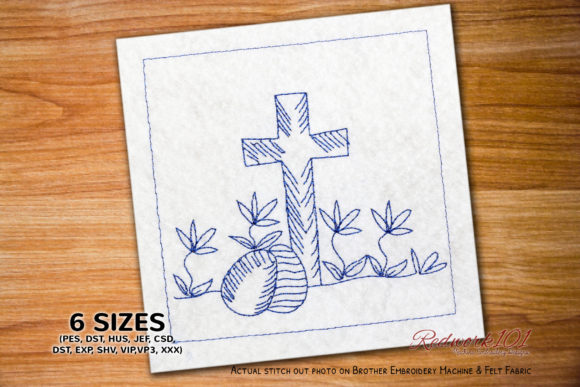
Review: Christian Cross with Easter Eggs Redwork for Craft Fairs
As an embroidery designer preparing for the upcoming weekend craft fair circuit, I spend a significant amount of time curating which machine embroidery design files will make the cut for my booth. The goal is always to balance aesthetic appeal with production efficiency. Recently, I have been evaluating the Christian Cross with Easter Eggs Redwork for potential inclusion in my spring collection. This specific design offers a unique blend of faith-based imagery and seasonal festivity that could resonate deeply with customers looking for meaningful handmade gifts.
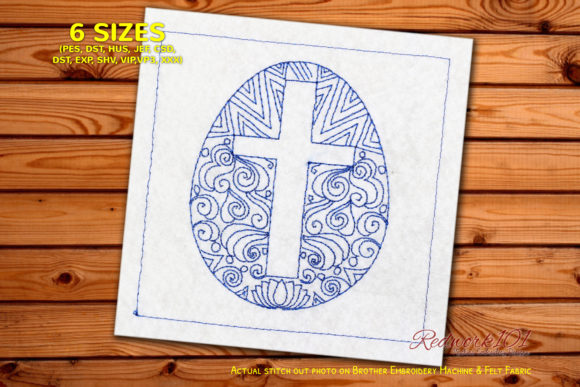
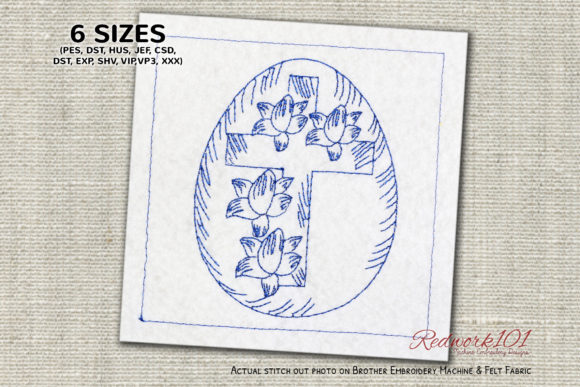
Upon first glance, the Christian Cross with Easter Eggs Redwork exudes a rustic, farmhouse charm. The redwork style, traditionally characterized by single-color stitching often in red or blue, lends itself perfectly to a vintage or heritage look. It feels less like a flashy modern graphic and more like a timeless piece of home decor or personal adornment. For a craft fair environment, where buyers are often searching for items with soul and history, this aesthetic is a strong selling point. The simplicity of the line work suggests elegance without being overly ornate, making it versatile enough for various product categories.
Product Versatility and Display Strategy
When setting up a booth, visual impact is everything. I am considering where this design would stand out most effectively among my display of tote bags, aprons, tea towels, and patches. The Christian Cross with Easter Eggs Redwork performs exceptionally well as a focal point on lighter fabrics. Imagine a natural linen tote bag design featuring this motif; the contrast of the red stitching against the neutral background would draw the eye immediately from across the aisle. Similarly, for apron embroidery, placing this design on the bib or the lower pocket adds a touch of personality that elevates a standard kitchen item into a giftable treasure.
For smaller items like embroidered patch applications or fabric pouches, the clarity of the design is crucial. Redwork typically relies on clean lines rather than dense fill areas, which is advantageous for smaller scales. However, one must be mindful of the details within the eggs and the cross structure. If the design includes intricate patterns inside the eggs, they might lose definition when scaled down for a small pouch or a cap. In my experience, this design shines brightest on medium-to-large surfaces like tea towel embroidery projects or pillow covers, where the viewer can appreciate the nuance of the stitch work up close.
The description notes that "The Box Stitch shown in the picture is optional." This is a critical detail for a professional producer. Having the option to include or exclude a border allows for greater flexibility in product creation. For a handmade product line, I might choose to include the box stitch on square items like pillow covers to frame the image, while omitting it for curved surfaces like caps or irregular shapes like tote bags to maintain a cleaner look. Furthermore, the note that "The color of the outer Box is a different color in most of the designs" suggests that customization is key. As an Etsy seller or boutique maker, offering this design in various thread colors to match customer preferences could significantly boost engagement and sales.
Production Practicality and Batch Efficiency
From a production standpoint, the viability of a design often comes down to stitch density and run time. Redwork designs are generally favorable for batch production because they typically utilize fewer thread changes and have lower stitch density compared to full-fill logos. This means I can run multiple units of the Christian Cross with Easter Eggs Redwork in a shorter timeframe, increasing my inventory for the fair without exhausting my machine or thread supply. The reduced density also means less pull on the fabric, which is beneficial when working with lighter materials like cotton tea towels or linen blends.
However, practical selling points must be weighed against potential pitfalls. While the design is likely easy to understand at a glance—a clear cross surrounded by decorative eggs—the execution requires attention to detail. When photographing this item for online listings or creating a printable mockup for social media promotion, lighting is essential. Redwork can sometimes appear flat in photos if the shadow and texture of the stitches are not captured correctly. To ensure the finished product looks premium, I recommend taking photos in natural light to highlight the texture of the thread against the fabric.
Critical Considerations for Fabric and Stabilization
Before committing to a large production run, there are several technical factors to address. First, thread colors matter immensely in redwork. Since the design relies on a single hue (traditionally red), the shade chosen can drastically alter the mood. A bright crimson feels festive and bold, suitable for Easter themes, while a muted brick red feels more antique and subdued. I advise testing several shades on scrap fabric to see which offers the best contrast against your chosen material.
Fabric texture is another variable. While this design looks stunning on smooth cotton or linen, it may struggle on highly textured towels or thick fleece. The fine lines of the cross or the details within the eggs could get lost in the pile of a thick towel. Additionally, if you plan to use this on dark fabric, you must ensure the thread has enough sheen and opacity to stand out, or consider using a lighter underlay if the digital embroidery file supports it. Always check the hoop size requirements before purchasing; ensuring the design fits within your available hoops prevents last-minute resizing issues that can distort the image.
Stabilizer choice is paramount. Even with low-density designs, using the correct stabilizer ensures the fabric does not pucker during the stitching process. For stretchy fabrics like those used in caps or t-shirts, a cut-away stabilizer is often safer than tear-away to maintain the integrity of the design over time. Remember, the description mentions the box stitch is optional and color variations exist; therefore, do not assume the file comes with specific instructions for every variation. It is vital to inspect the file properties yourself.
Maximizing Value and Brand Consistency
Incorporating the Christian Cross with Easter Eggs Redwork into your lineup can enhance your brand's perception as a creator of thoughtful, high-quality goods. It signals to customers that you value tradition and craftsmanship. For commercial embroidery businesses, this design serves as an excellent design asset that can be adapted across a wide range of products, from church gift shop items to secular spring decorations, provided the licensing allows for such use.
It is imperative to confirm commercial licensing terms before selling any small shop product featuring this design. Unless the provider explicitly states that the file includes a commercial license, you must verify this detail to avoid legal complications. Do not invent license terms based on assumptions. If the documentation is unclear, reach out to the designer directly.
Ultimately, the success of this design at a craft fair will depend on how it is presented. Pairing the embroidered items with complementary decor, such as dried flowers or rustic wooden signs, can create a cohesive vignette that tells a story. Whether used on a market bag, a decorative pillow, or a set of kitchen linens, the Christian Cross with Easter Eggs Redwork has the potential to be a standout item. By carefully selecting fabrics, optimizing stitch settings, and presenting the final pieces with intention, you can transform a simple digital file into a cherished handmade keepsake that resonates with buyers looking for faith-inspired spring decor.