Review: Christian Cross Cross Stitch Pattern PDF
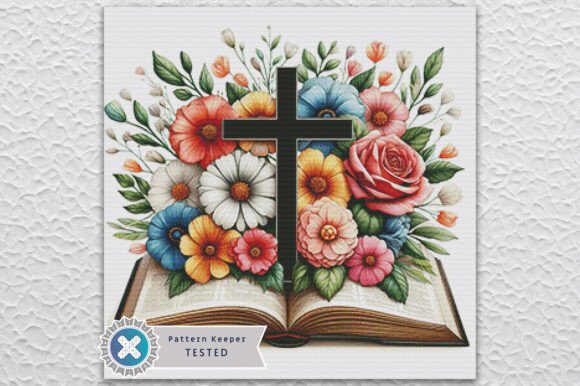
As a designer who spends more time counting threads than I do sleeping, I approach every new Cross Stitch Patterns release with a mix of excitement and skepticism. The market is flooded with generic Graphics, but finding a design that holds up under the scrutiny of advanced stitching and real-world application is rare. Today, I am evaluating the Christian Cross Cross Stitch Pattern PDF, a full coverage piece explicitly marketed toward advanced stitchers. My goal isn't just to admire the preview image; it is to determine if this design translates effectively into a tangible, high-value handmade product for my clients and shop.
First Impressions: Complexity and Visual Weight
Upon opening the file, the sheer scale of the project hits you immediately. With dimensions of 300w x 300h stitches, this is not a quick weekend project. It is a commitment. The use of 90 DMC colors suggests a level of detail that borders on photorealism or intricate tapestry work. For a designer, this density creates a specific mood: solemnity, reverence, and depth. The layout feels substantial, designed to be a focal point rather than a subtle accent.
The visual personality of this pattern leans heavily into traditional aesthetics, likely utilizing complex shading and color blending to achieve its effect. In a commercial context, this kind of depth signals quality. When a customer sees a piece with this many color transitions, they instinctively understand the labor involved, which directly impacts the perceived value of the finished product. However, the "full coverage" nature means there is very little room for error. Every missed stitch or tension issue will be visible, making this a true test of skill for the maker.
Real-World Application: The Boutique Pillow Case Scenario
To truly test the viability of this design, I imagined a specific client request: a custom nursery decor piece for a family wanting a statement heirloom. I envisioned this Christian Cross Cross Stitch Pattern PDF centered on a high-quality linen pillow cover. At 14 count, the finished dimensions sit at approximately 21.5 inches square. This is a massive footprint for home decor.
In this scenario, the design shines. The large surface area allows the 90 thread colors to blend smoothly, avoiding the pixelated look that plagues smaller versions of complex designs. For an Etsy seller or boutique owner, this specific application targets a high-end demographic willing to pay for bespoke, labor-intensive items. The result would be a stunning centerpiece for a living room or a meaningful gift for a christening. The weight of the design commands attention, transforming a simple pillow into a piece of art.
However, I had to pause and consider other applications. Could this work as a sweatshirt embroidery project? Realistically, no. A 21-inch square design would overwhelm a standard adult hoodie, covering the entire front panel and likely restricting movement. Similarly, attempting this as a tote bag design or embroidered patch would be impractical due to the sheer size and the likelihood of the fabric distorting under the weight of such dense stitching. This pattern belongs on stable, flat surfaces like wall hangings, framed art, or large cushion covers.
Technical Considerations for the Advanced Maker
While the description highlights this as a cross-stitch pattern, those of us working in broader commercial embroidery often look for ways to adapt designs. If one were to attempt digitizing this for machine use, the stitch density would be a critical factor. Ninety colors imply frequent stops and starts. In a manual context, this requires meticulous organization of your thread colors. In a machine context, without proper optimization, this could lead to excessive trimming and potential puckering.
For the hand stitcher adhering to the original format, fabric choice is paramount. The instructions note a finished size of 18.8 inches on 16 count fabric. Whether you choose 14 or 16 count, you must ensure your fabric texture is even and sturdy. A loose weave will struggle to hold the tension of a full-coverage design of this magnitude. I strongly advise using a high-count linen or Aida that has been pre-washed to prevent shrinkage later, which could distort the perfect geometry of the cross.
Furthermore, the issue of stabilizer cannot be ignored. Even though this is primarily a hand-stitch project, if you are framing it or mounting it, the back needs support. For those considering adapting this into a mixed-media applique design or combining it with satin stitch borders, testing on scrap fabric is non-negotiable. You need to see how the 90 colors interact with your specific material before committing to the final piece.
Navigating Challenges: Where Caution is Required
There are specific scenarios where I would advise against using this Christian Cross Cross Stitch Pattern PDF. First, avoid curved surfaces like caps or hats. The rigid structure of a full-coverage grid does not conform well to curves, leading to gaps and distortion. Second, be wary of dark fabrics unless the pattern specifically accounts for them; typically, these detailed designs assume a light background to make the 90 colors pop. Using it on a black garment might mute the subtle shading intended by the designer.
Additionally, consider the end-user's lifestyle. A project of this size and detail is not ideal for items that require frequent, harsh washing, such as kitchen towels or baby clothes that see daily spills. The friction and agitation could cause the threads to fray or the fabric to wear thin over the dense stitching areas. This design is best reserved for holiday embroidery gifts, wedding presents, or display items that will be treated with care.
Commercial Viability and Brand Consistency
For craft business owners, the question always comes down to return on investment. With 90 colors and over 300 stitches in width and height, the labor hours required to complete this are significant. Pricing this item correctly is essential to ensure profitability. It positions your brand as a provider of luxury, bespoke goods rather than quick-turnaround merchandise.
Using this design can enhance brand consistency if your shop specializes in faith-based or traditional artisanal goods. It builds customer trust because the complexity demonstrates mastery. However, transparency is key. Customers should understand that this is a made-to-order item with a longer lead time. Marketing it as a limited edition or a signature piece can justify a higher price point.
Before listing this as a digital embroidery file or selling the finished physical item, you must verify the licensing terms provided with the download. Many designers allow personal use but restrict commercial sales of finished products. Ensuring you have the right to sell prevents legal headaches down the line.
Final Verdict: A Masterpiece for the Dedicated
The Christian Cross Cross Stitch Pattern PDF is a formidable design. It is not for the faint of heart or the hurried crafter. It demands patience, precision, and a deep appreciation for the art of needlework. When executed correctly on the right medium—likely a large, framed piece or a substantial pillow—it offers unparalleled visual appeal and emotional resonance.
For the small shop product lineup, this design serves as a flagship item that showcases what is possible with thread and fabric. It elevates the perception of what a personalized gift can be. Just remember to respect the scale, choose your materials wisely, and allow yourself the time this masterpiece deserves. If you are ready to commit to a project that truly tests your skills and rewards you with a breathtaking result, this pattern is an excellent choice.