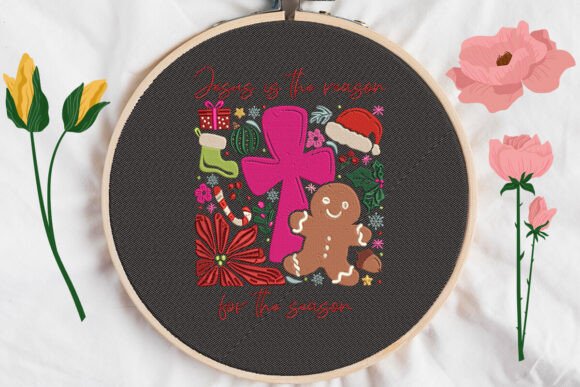
Jesus is the Reason: A Pro Review for Business Merch
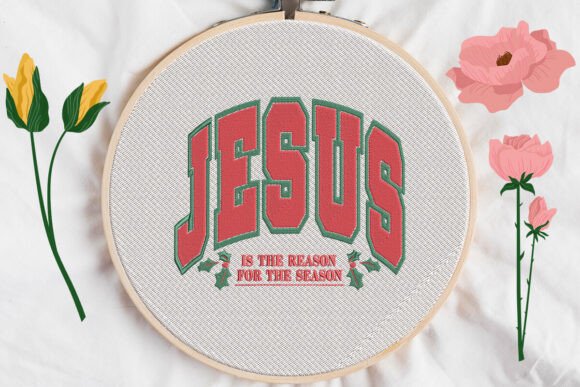
As an embroidery designer who has spent years digitizing and reviewing files for commercial use, I approach every new machine embroidery design with a critical eye. It is not just about whether a pattern looks pretty on a screen; it is about how that digital embroidery file translates into a tangible asset for a small business. When I first encountered the Jesus is the Reason design, categorized under Christmas but versatile enough for year-round faith-based branding, my immediate thought was to evaluate its potential beyond simple home decor. Could this serve as a cornerstone for brand identity in a boutique, a café, or a creative studio?
The first impression of Jesus is the Reason is one of classic elegance mixed with a warm, inviting feel. The description promises a "stylish update" and a "vibrant and imaginative flair," which suggests a design that avoids being overly rigid or corporate. Instead, it feels handmade and authentic, a quality that resonates deeply with customers of Etsy sellers and artisan brands. For a business owner looking to create small business merch that feels personal rather than mass-produced, this aesthetic is invaluable. The typography and layout appear balanced, suggesting a professional finish that can elevate a plain garment into a statement piece.
Real-World Applications for Branded Merchandise
In the context of real business use, the versatility of this design shines. Imagine a local bakery or a florist wanting to outfit their staff. Using Jesus is the Reason as an apron embroidery detail adds a touch of warmth and values-driven messaging that customers appreciate. It transforms a standard uniform into a conversation starter. Similarly, for a boutique selling faith-based goods, this design works exceptionally well as a chest logo accent on work shirts or as a sleeve detail on denim jackets. The scale seems appropriate for these placements, offering visibility without overwhelming the garment.
For those in the realm of custom apparel, the potential extends to headwear. A cap embroidery project requires careful consideration of curvature and space, but if the digitizing supports it, this phrase could serve as a powerful front-panel statement or a subtle side-logo for church groups and ministry teams. Furthermore, the design is an excellent candidate for tote bag design. Tote bags are ubiquitous in the handmade market, and adding this message creates a functional piece of evangelism or brand expression that customers carry everywhere. Whether used for customer gifts, event merch, or as a standalone product, the design acts as a bridge between the business's values and its visual presentation.
Technical Considerations for Production
While the artistic merit is clear, a professional review must address the technical realities of production. Before running a full batch of commercial embroidery, there are specific areas where Jesus is the Reason requires careful handling. Small patch sizes are a common request for branded labels, but one must verify if the lettering remains legible when scaled down. Tiny lettering can easily fill in or become unreadable if the stitch density is too high for the chosen thread weight.
Curved surfaces, such as the front of a cap or the pocket of a structured shirt, present another challenge. The design needs to be tested on these specific contours to ensure no distortion occurs during the stitching process. Additionally, textured fabrics can interfere with fine details. If you plan to embroider this on heavy canvas totes or rough linen aprons, the interaction between the fabric texture and the thread must be evaluated. Dark uniforms also pose a contrast issue; while the description mentions "vibrant" flair, ensuring the thread colors pop against navy or black backgrounds is essential for readability.
Frequent washing is another factor for staff uniforms and heavily used merchandise. High stitch density can sometimes lead to stiffness or puckering over time. It is crucial to inspect the backing and density settings to ensure the finished product remains soft and durable. Since the provided description does not specify exact stitch counts or recommended hoop limitations, I strongly advise checking the file details included with your purchase before committing to a large production run.
Impact on Brand Identity and Customer Trust
Integrating Jesus is the Reason into your product line does more than just decorate fabric; it solidifies brand identity. For faith-based businesses, consistency is key to building trust. When customers see this message on a high-quality patch, a well-stitched tote, or a professional uniform, it reinforces the authenticity of the brand. It signals that the business stands behind its values, which fosters deeper buyer engagement. In a market saturated with generic items, a thoughtfully embroidered piece stands out as a premium offering.
This design also enhances the perceived value of handmade products. A simple t-shirt becomes a meaningful gift when adorned with this message. For Etsy sellers and crafters, using such designs in printable mockup presentations can significantly boost click-through rates. Visual consistency across different assets—from social media graphics featuring the embroidery to the actual physical goods—creates a cohesive brand story that resonates with the target audience.
Essential Designer Notes for Success
To ensure the best results with Jesus is the Reason, I recommend following a strict testing protocol. First, test the design in black and white or single-color runs. This strips away the distraction of color and reveals any issues with spacing or density. Check specifically if the design holds up at the smallest size you intend to use, such as for a woven label or a small embroidered patch.
Review the thread color contrast carefully against your intended fabric swatches. What looks good on a monitor may look muddy on heather grey or dark green fabric. Confirm the required hoop size to ensure it fits your machine's capabilities, especially if you are working with smaller hoops on caps or sleeves. Always use the proper stabilizer for the fabric type; cut-away stabilizer is often safer for stretchy knits, while tear-away might suffice for stable wovens.
Before presenting to a client or listing for sale, create a physical mockup for approval. Compare the stitched sample beside your other design assets to ensure visual harmony. Finally, and perhaps most importantly, confirm the commercial licensing terms. The description invites you to "embellish t-shirts, towels, or home decor," but explicit confirmation regarding resale of finished goods versus the file itself is necessary to protect your business. By taking these steps, you transform a delightful digital file into a robust tool for business growth and meaningful connection.